NIBP Simulator Testing: Limits of a Bench Result
A monitor reading 132/84 against a 120/80 NIBP simulator preset is not automatically failing. See what static pressure, leak, and dynamic tests can and cannot prove.
By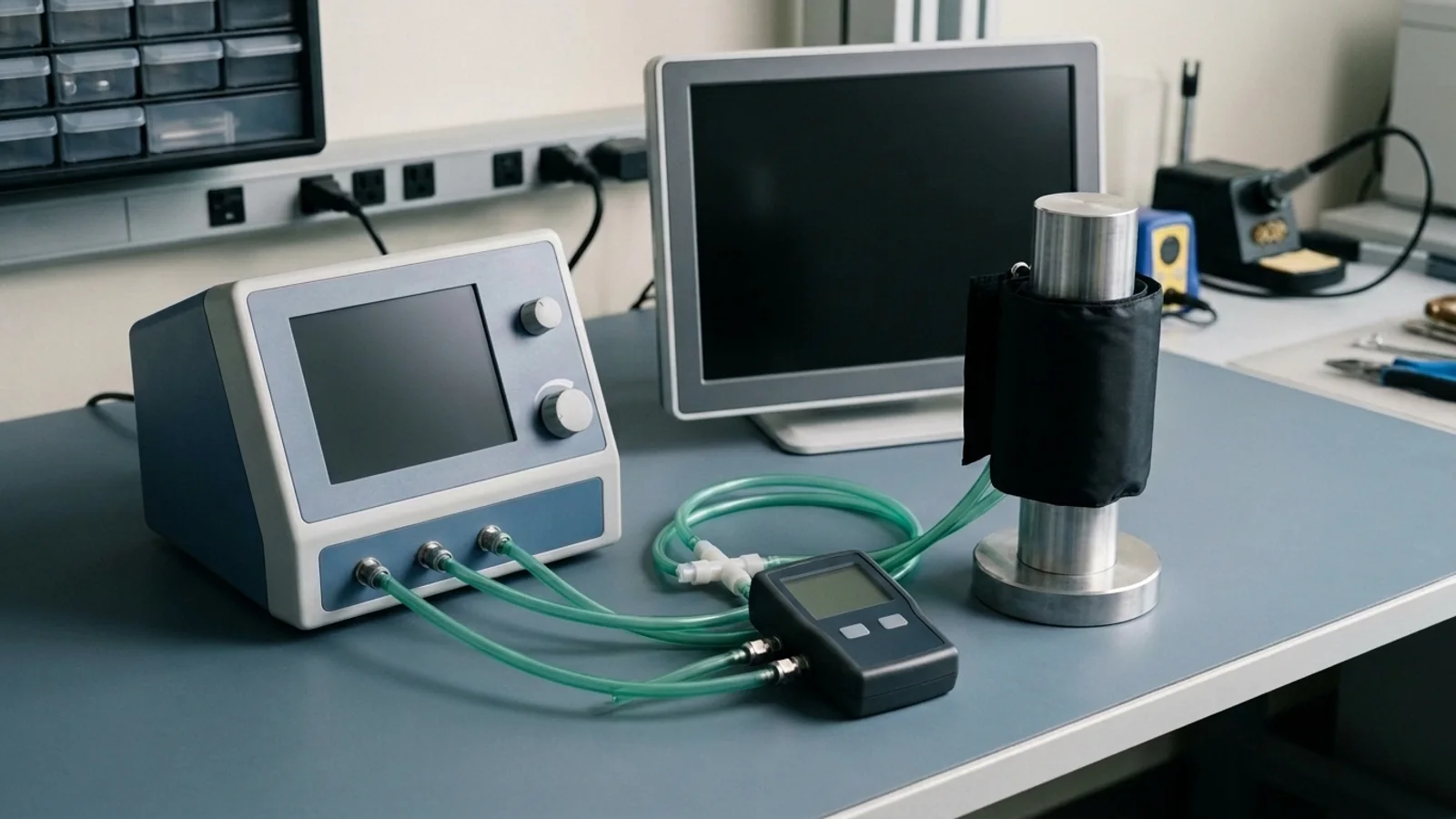
Independent · Manufacturer-neutral · Updated daily
Error patterns explained, documentation that holds up, and practical service workflows for biomedical engineers, equipment planners, and repair buyers.
Latest entries
A monitor reading 132/84 against a 120/80 NIBP simulator preset is not automatically failing. See what static pressure, leak, and dynamic tests can and cannot prove.
BySet up a reliable daily spirometer check with the right syringe, filter and sensor path, environmental entries, and a record of results and failures.
By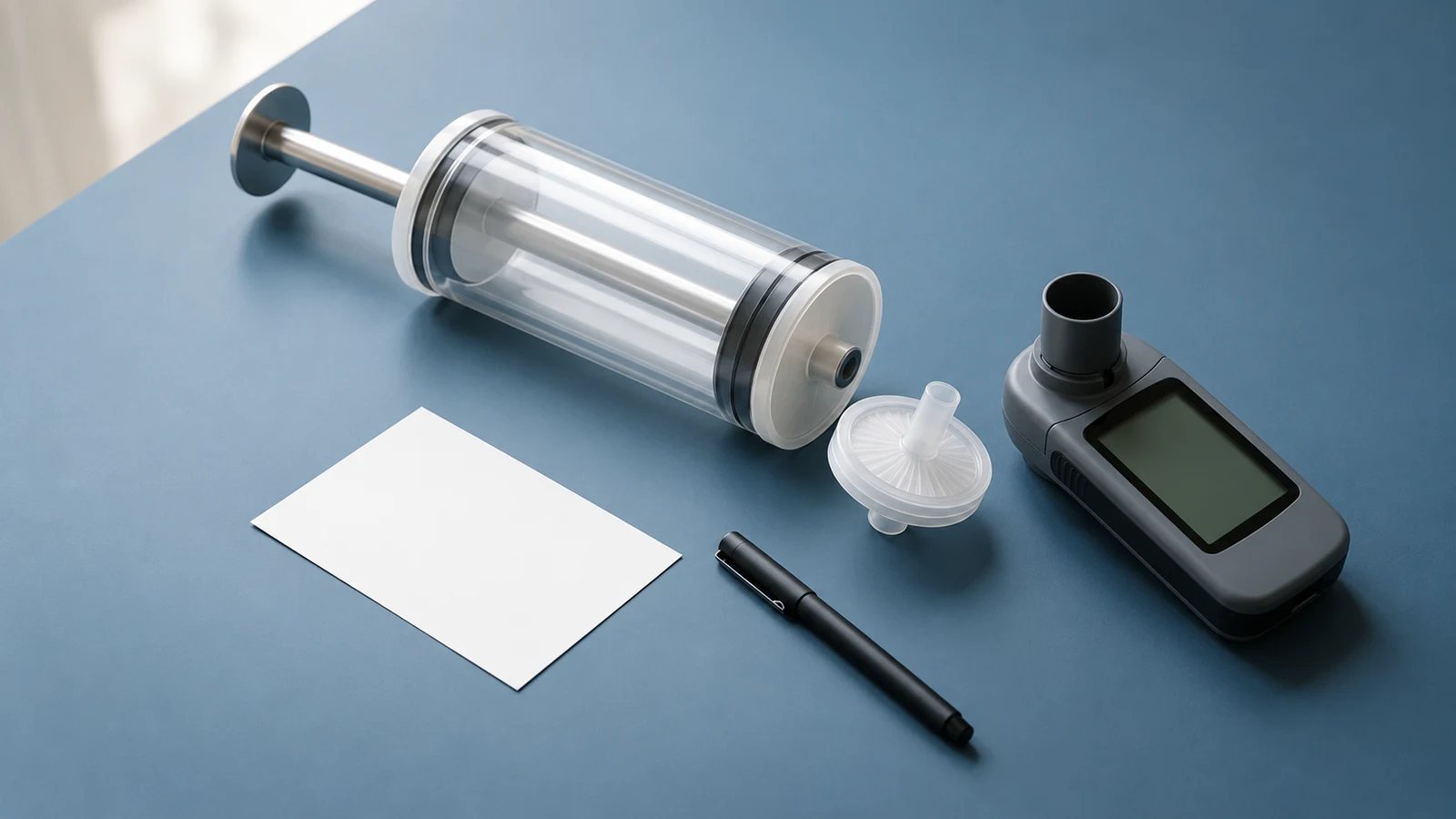
How to document decontamination status, follow vendor return terms, and retain a shipping record before sending medical equipment for off-site repair.
By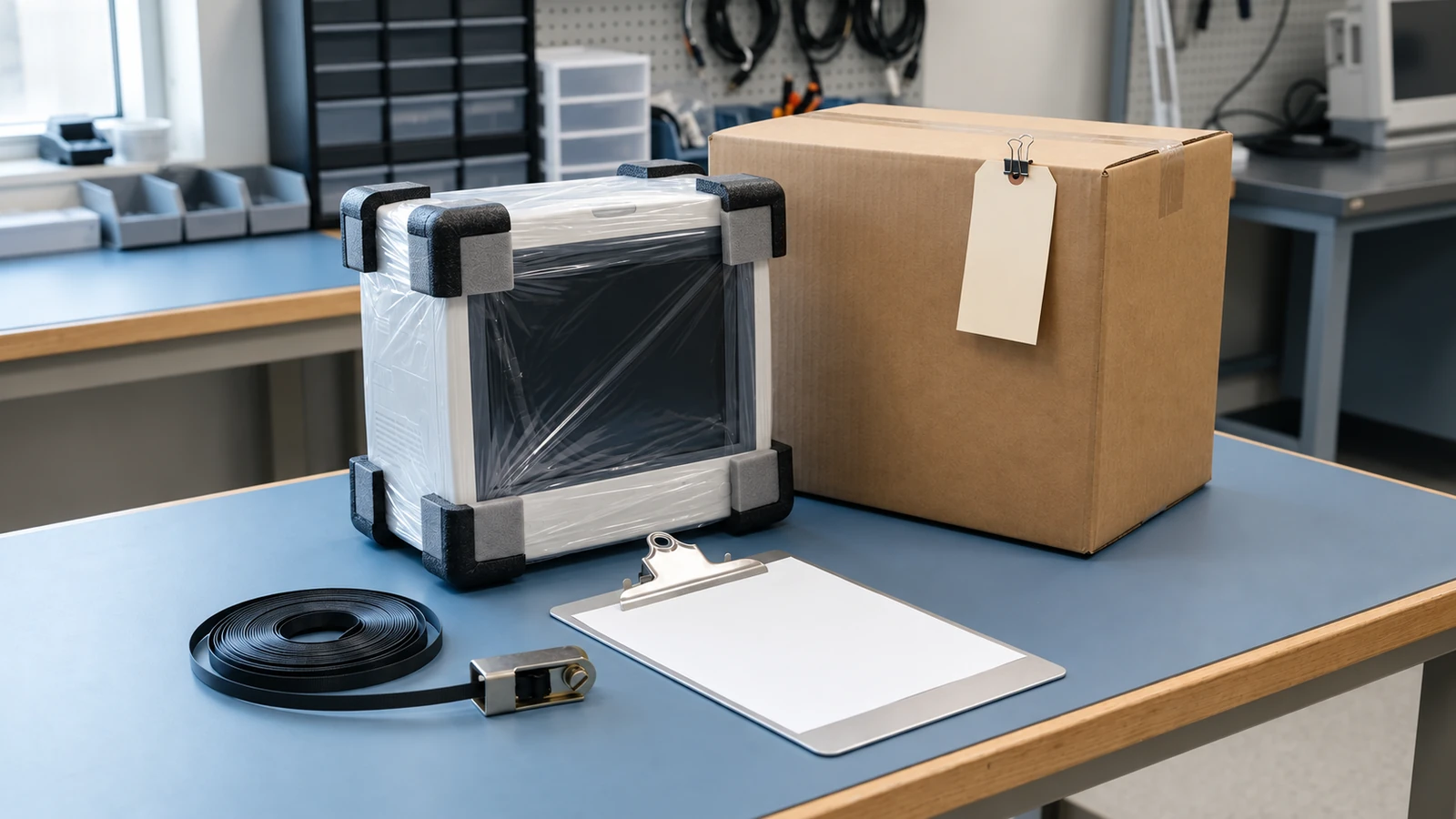
How clinical engineering and sterile processing teams diagnose autoclave wet packs, separating load defects from equipment faults and wet steam issues.
By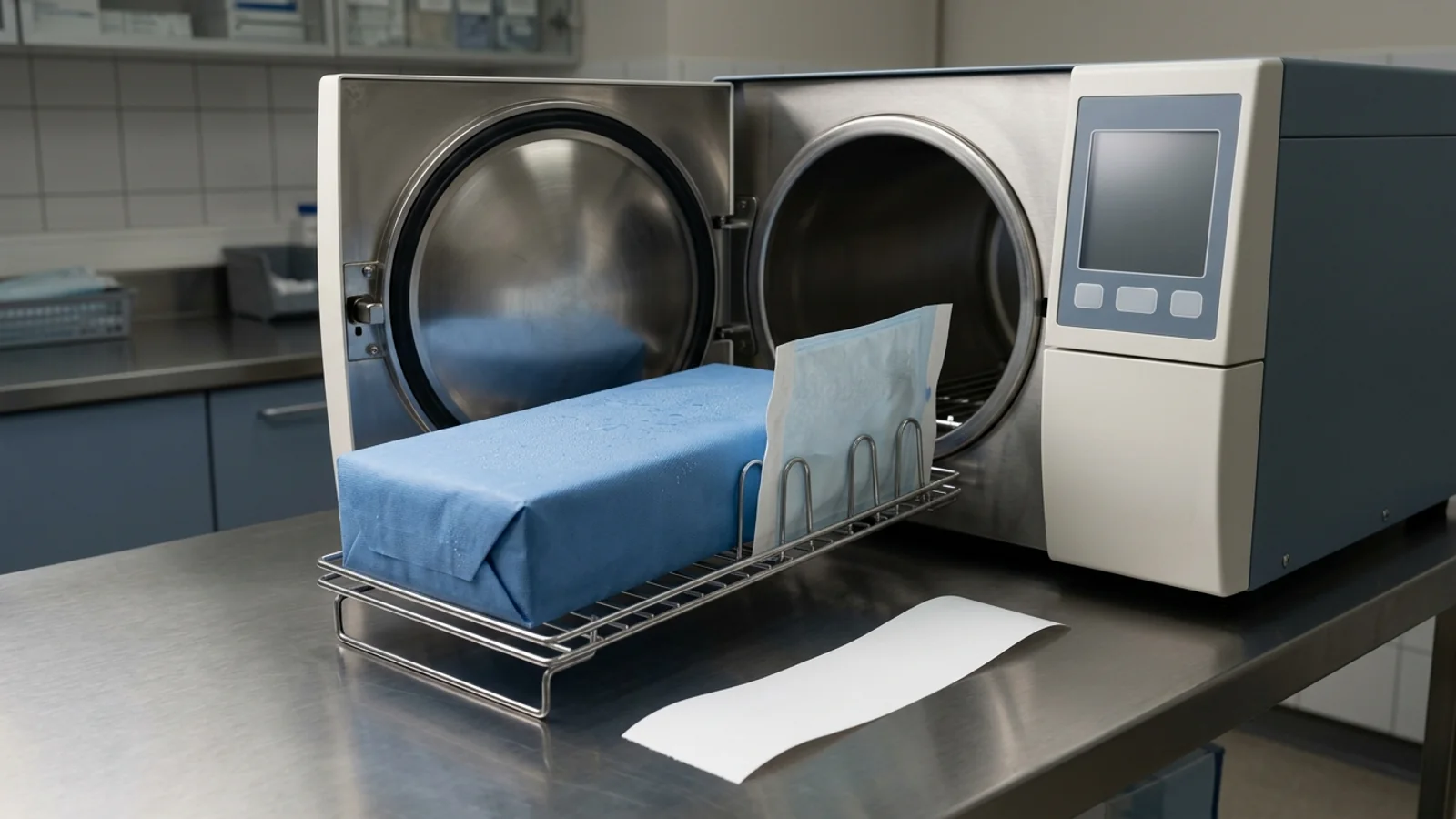
What infant incubator service records should show: model-specific thermal and alarm checks, independent measurements, safety actions, and release evidence.
By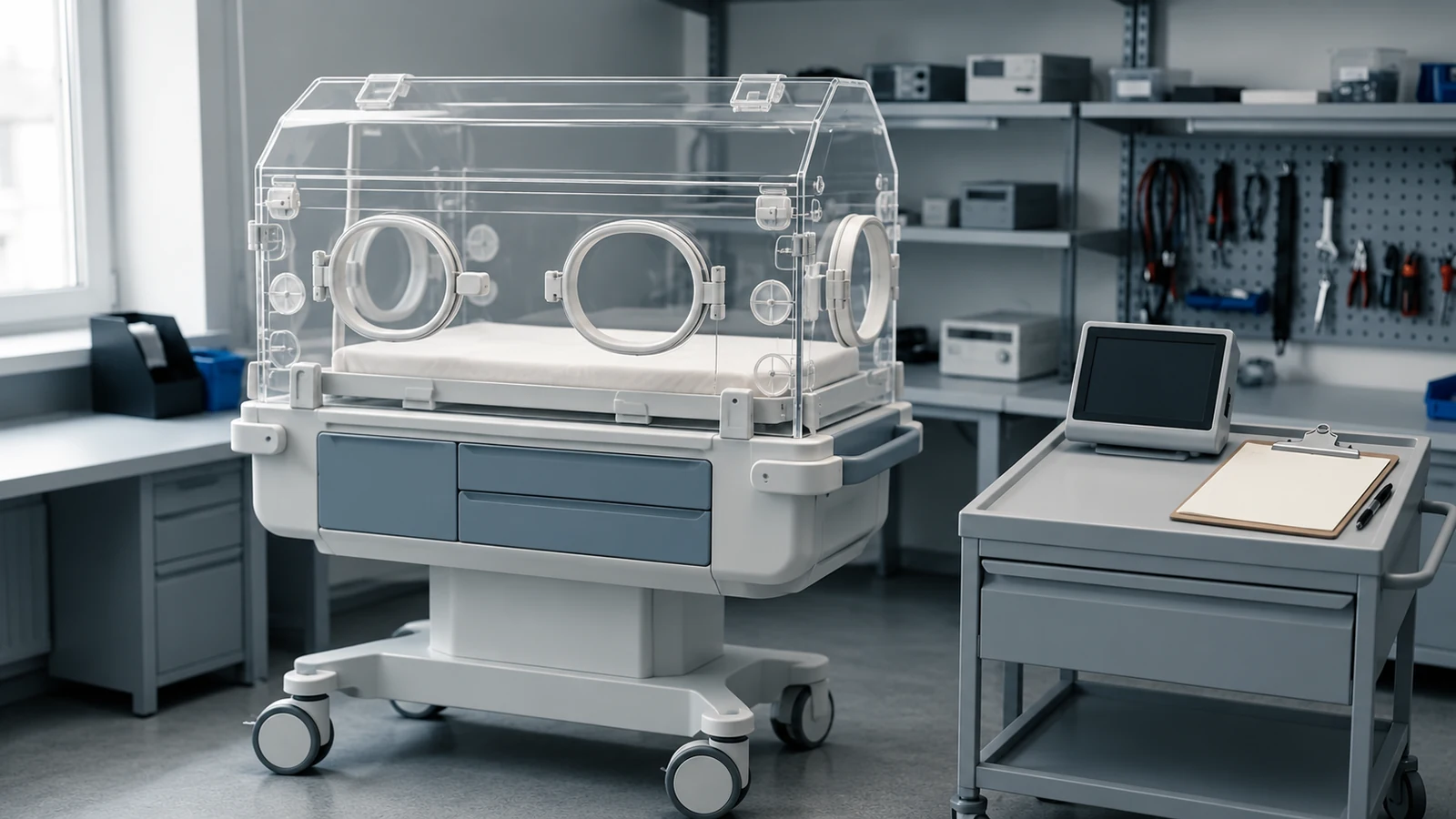
A service-planning checklist for medical equipment obsolescence: decode OEM support notices, preserve maintenance evidence, and document continued use or retirement.
By
Which bench tests each electrosurgical output mode needs after service, where acceptance limits come from, and what the return-to-service record must show.
By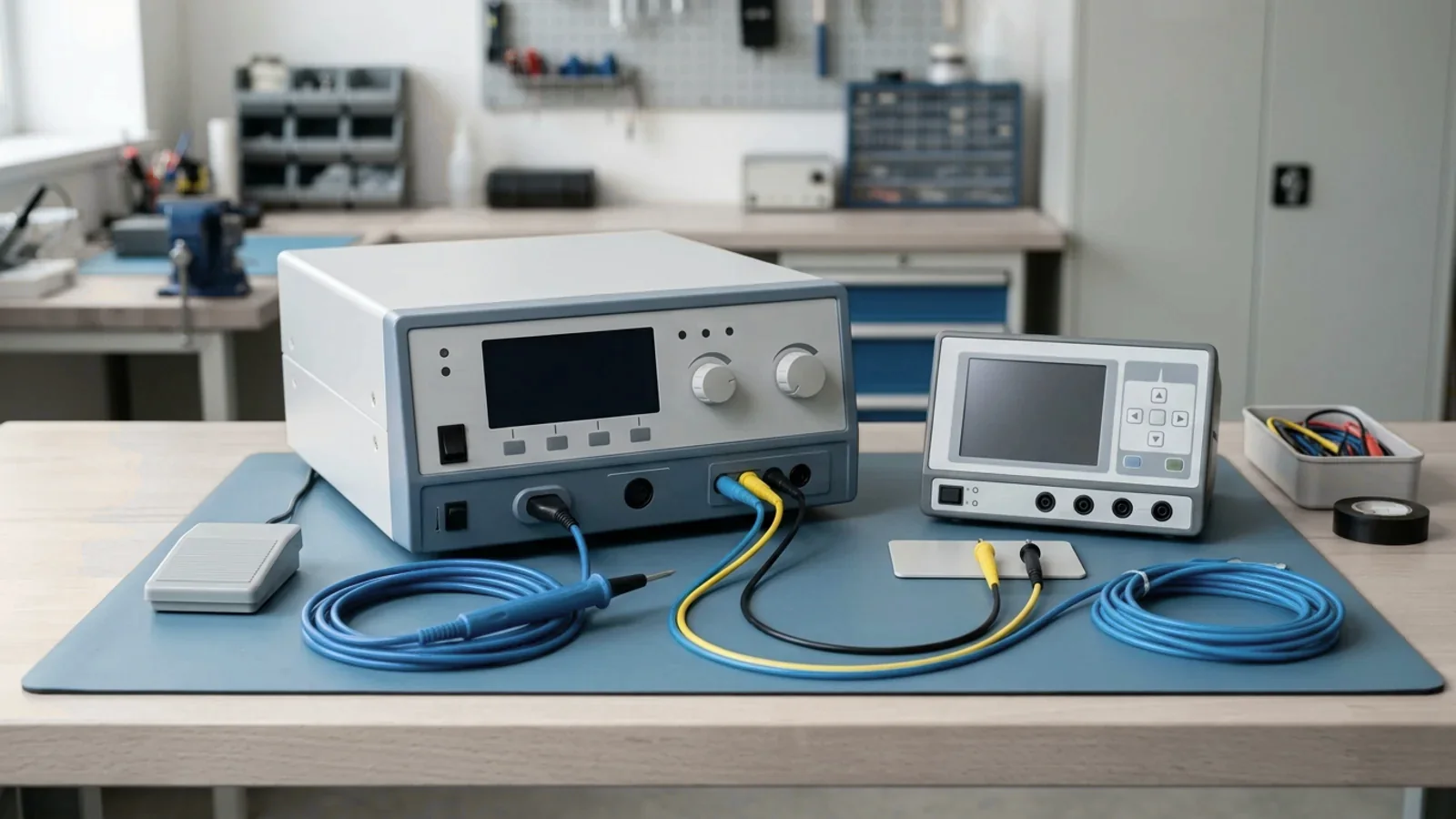
What a passing SpO2 simulator test verifies, what it leaves unproven, and how to document the result and escalate clinical accuracy concerns.
By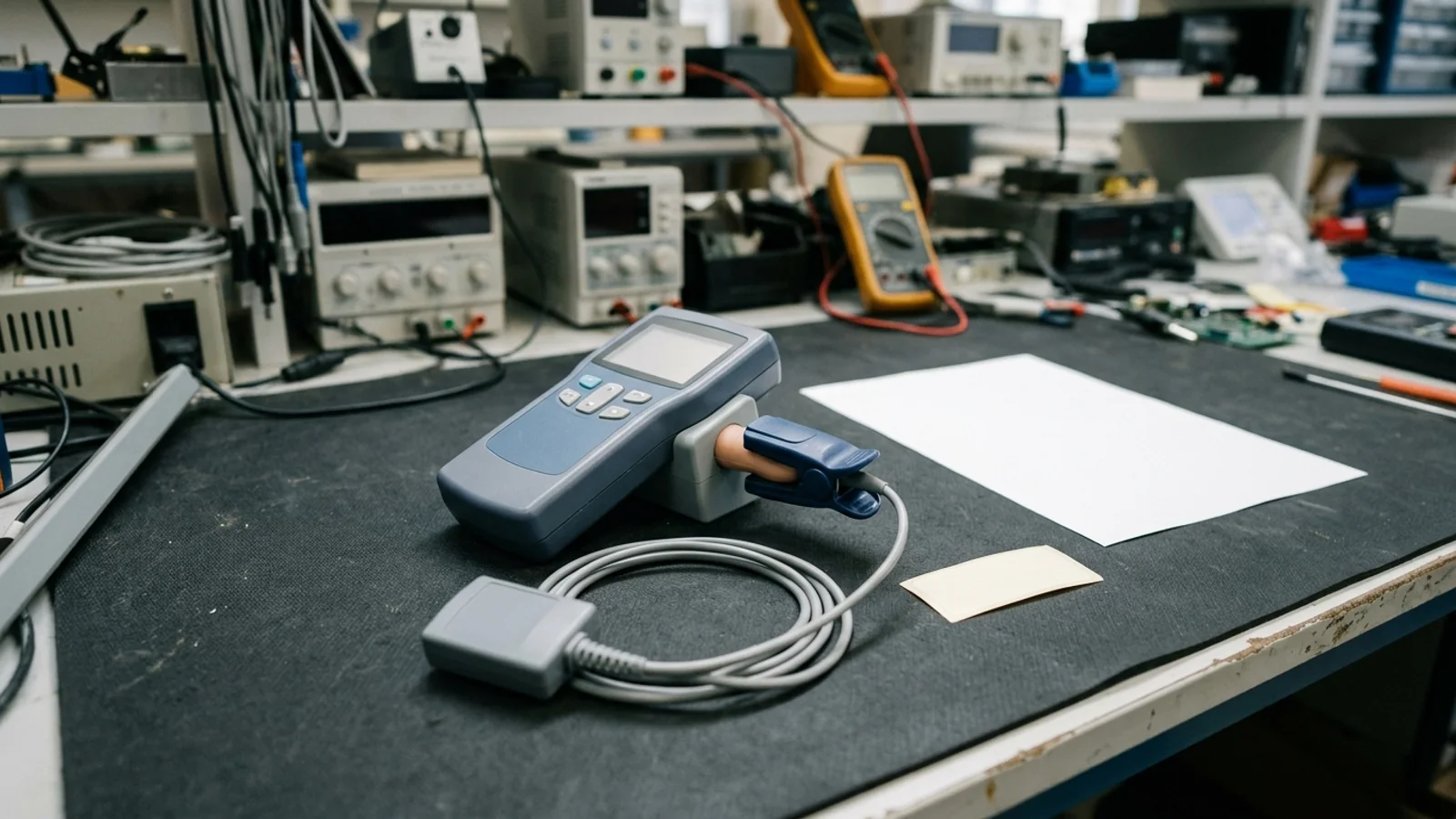
Separate a running medical suction pump fault from a disposable-circuit fault with that model's own test, and stop at the qualified-service line.
By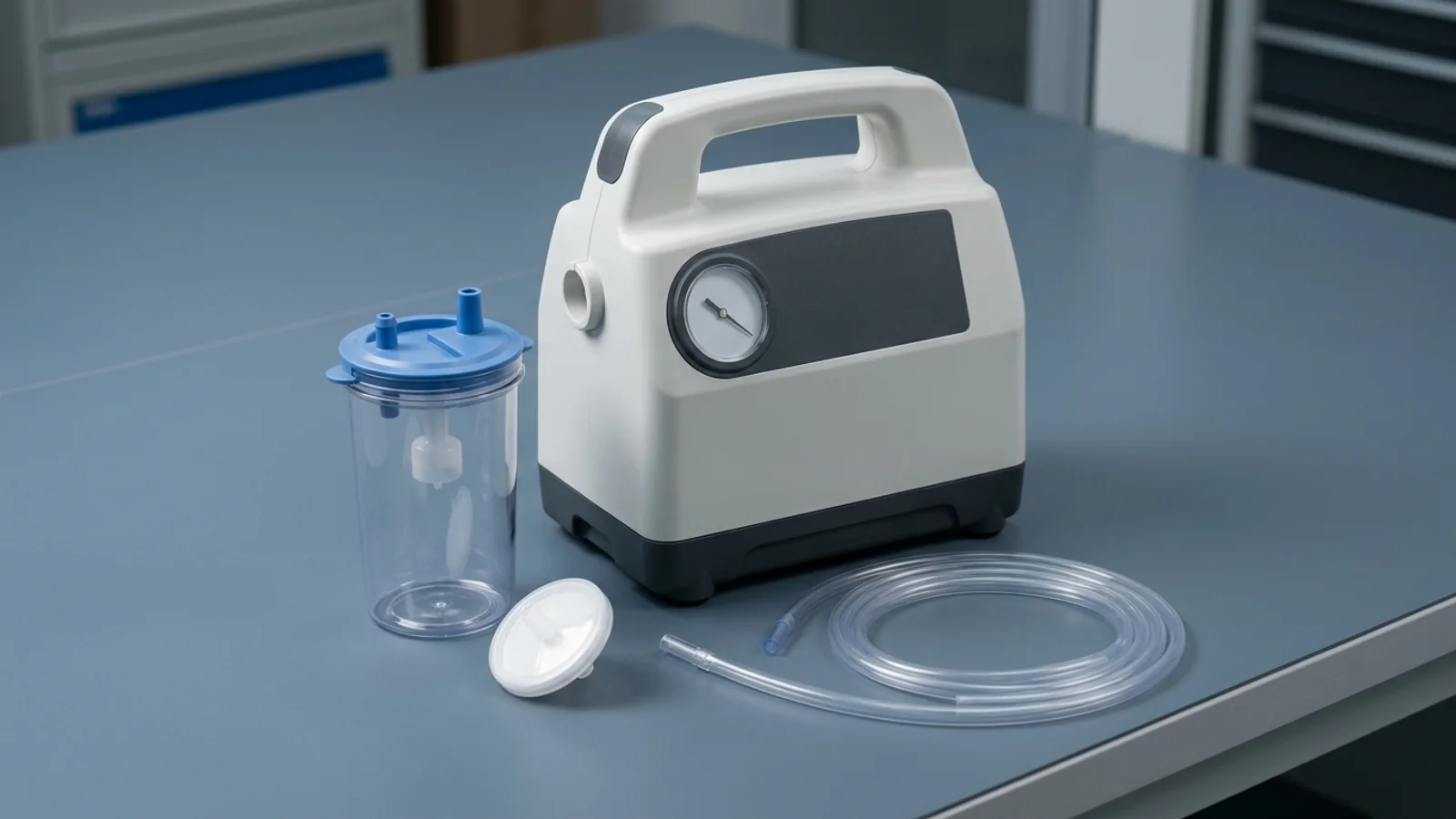
A clinical engineering guide to centrifuge preventive maintenance: navigating OEM rotor-life limits, CLIA 42 CFR 493.1254 documentation duties, and audit-ready service records.
By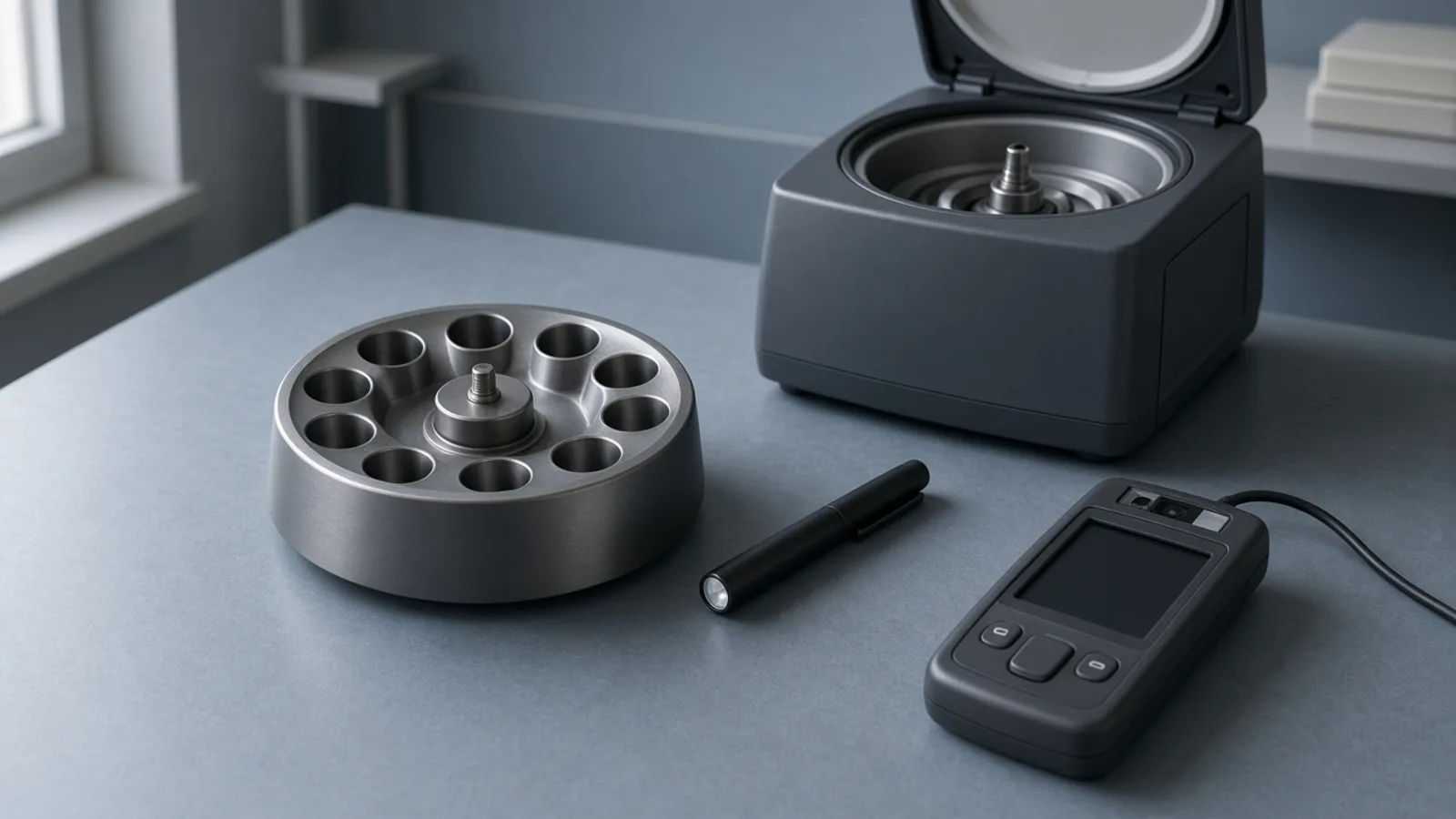
A field-by-field clinical engineering guide to auditing biomedical calibration certificates, verifying SI traceability and uncertainty, and managing out-of-tolerance findings.
By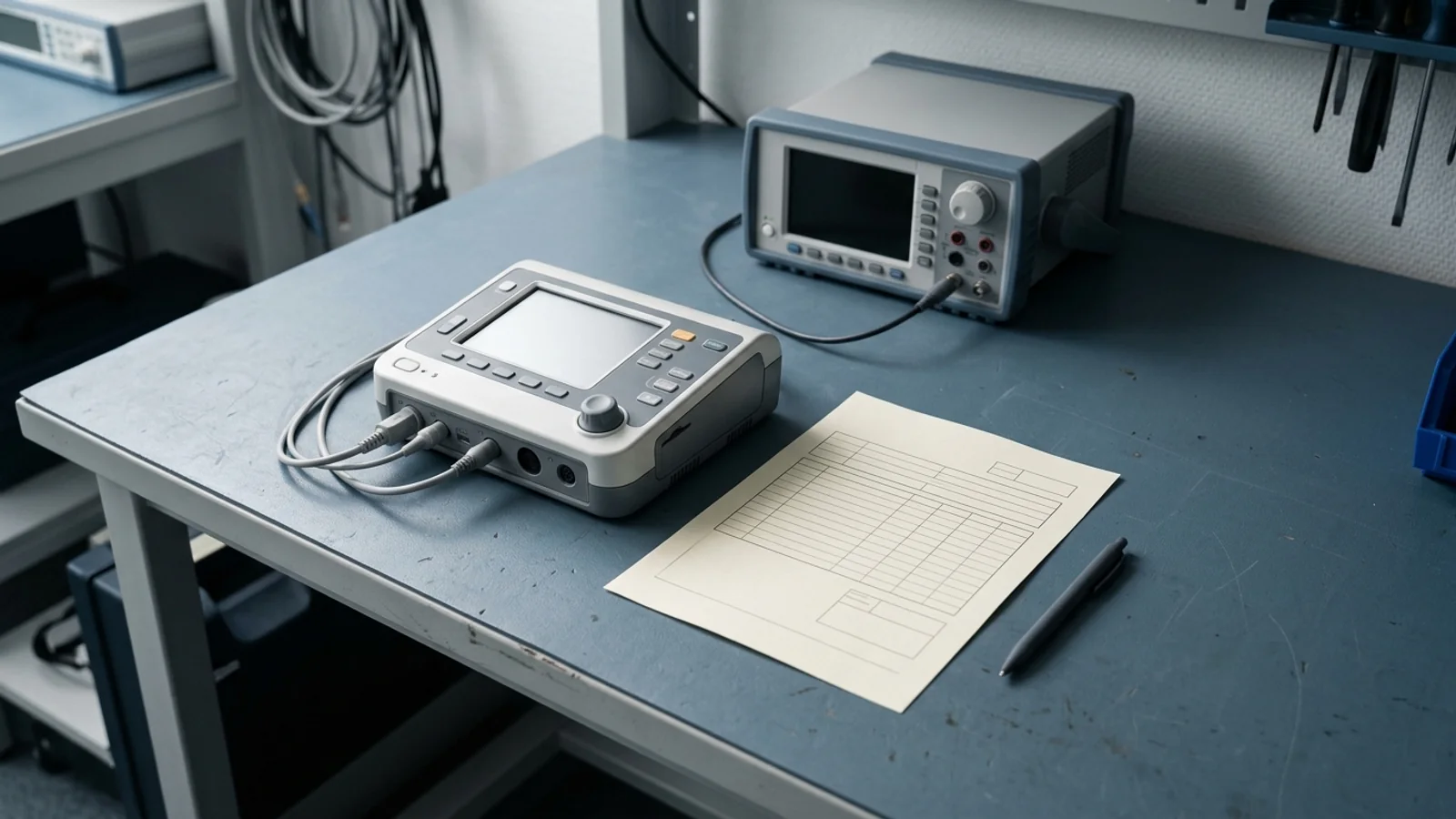
How biomedical and laboratory teams verify cold-storage alarms: testing setpoints, battery backup, and remote contacts beyond steady-state display readings.
By
A clinical engineering guide to powered exam table repair handovers: operator-safe checks, fault evidence capture, Midmark 630 escalation, and return-to-service testing.
By
Isolate electric dental handpiece cutouts, torque loss, and error codes across motor, cord, control unit, and operatory utility lines before dispatching repairs.
By
A model-scoped return-to-service guide: when a capnograph needs an adapter zero, a reference-gas check, or a user calibration, and what the service record must show.
By
A clinical engineering guide to servicing stationary oxygen concentrators: filter replacement schedules, alarm threshold interpretation, analyzer purity testing, and fire recall escalation.
By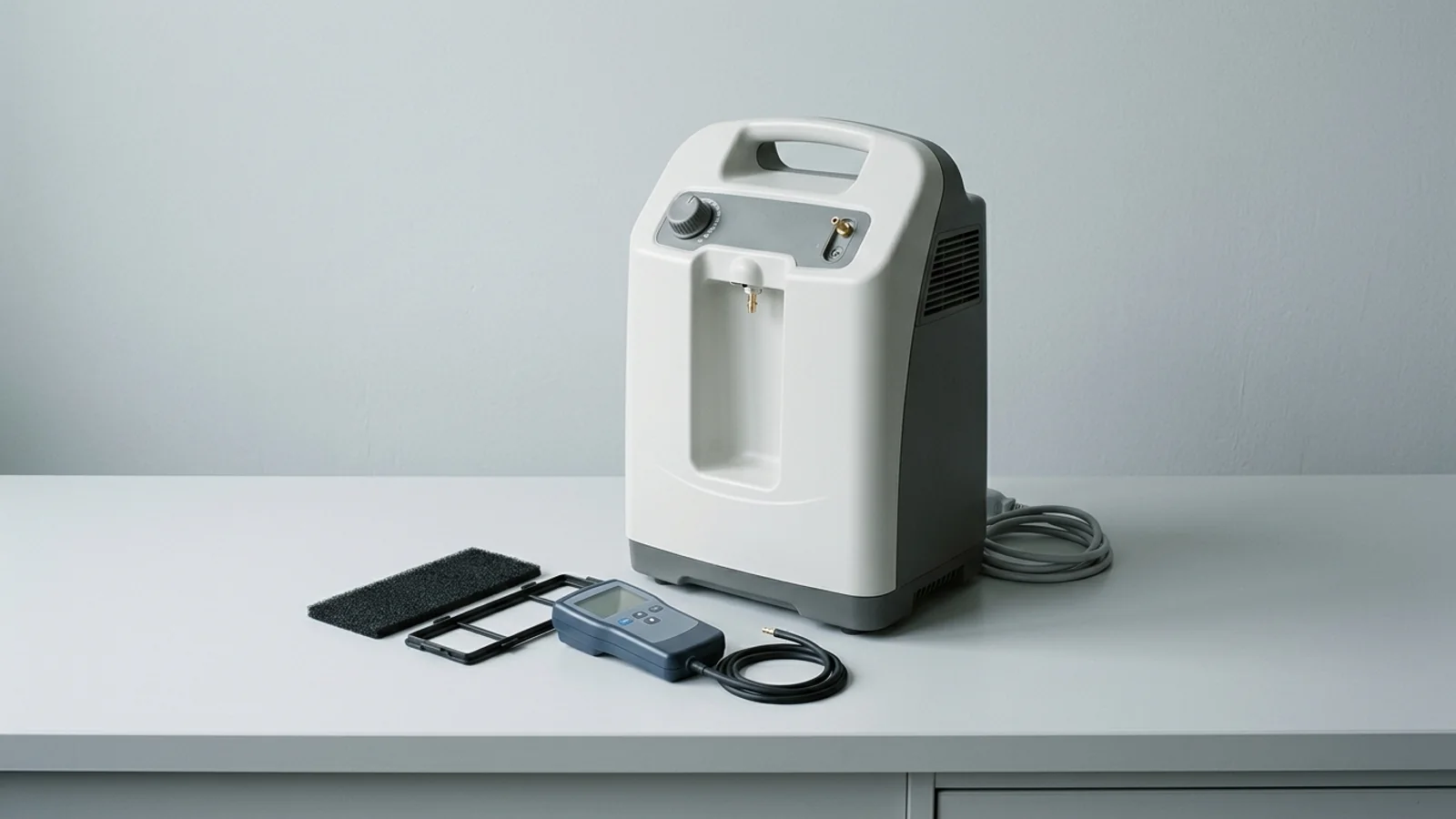
A clinical engineering guide to recurring AED maintenance: verifying pad and battery expiry across five platforms, interpreting self-test alerts, and managing out-of-service rules.
By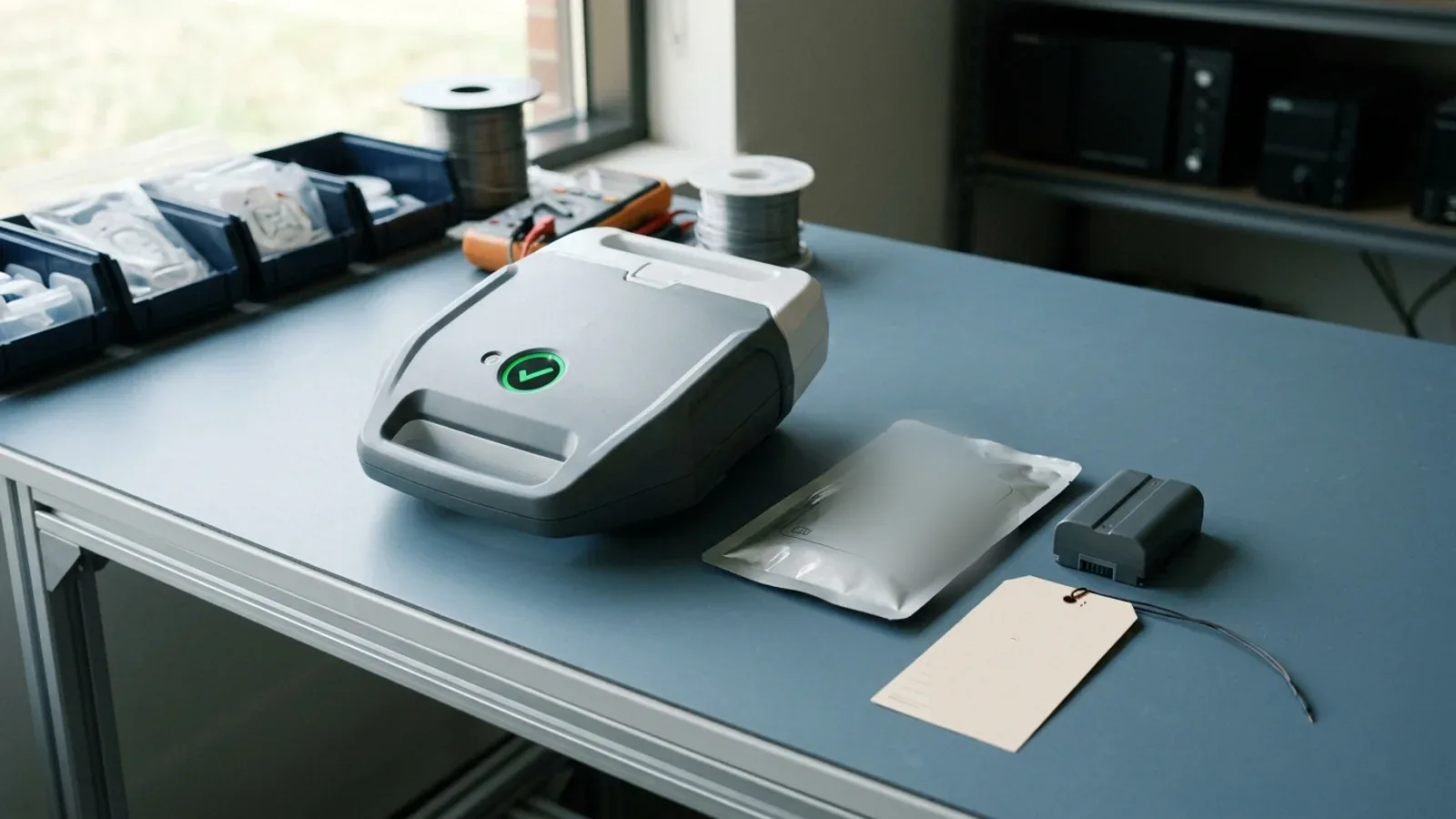
Assess rigid endoscope damage across rod-lens, fluorescence, and fiber optics. Distinguish model-specific take-out-of-service findings from cable discard rules, tester defaults, and remanufacturing risks.
By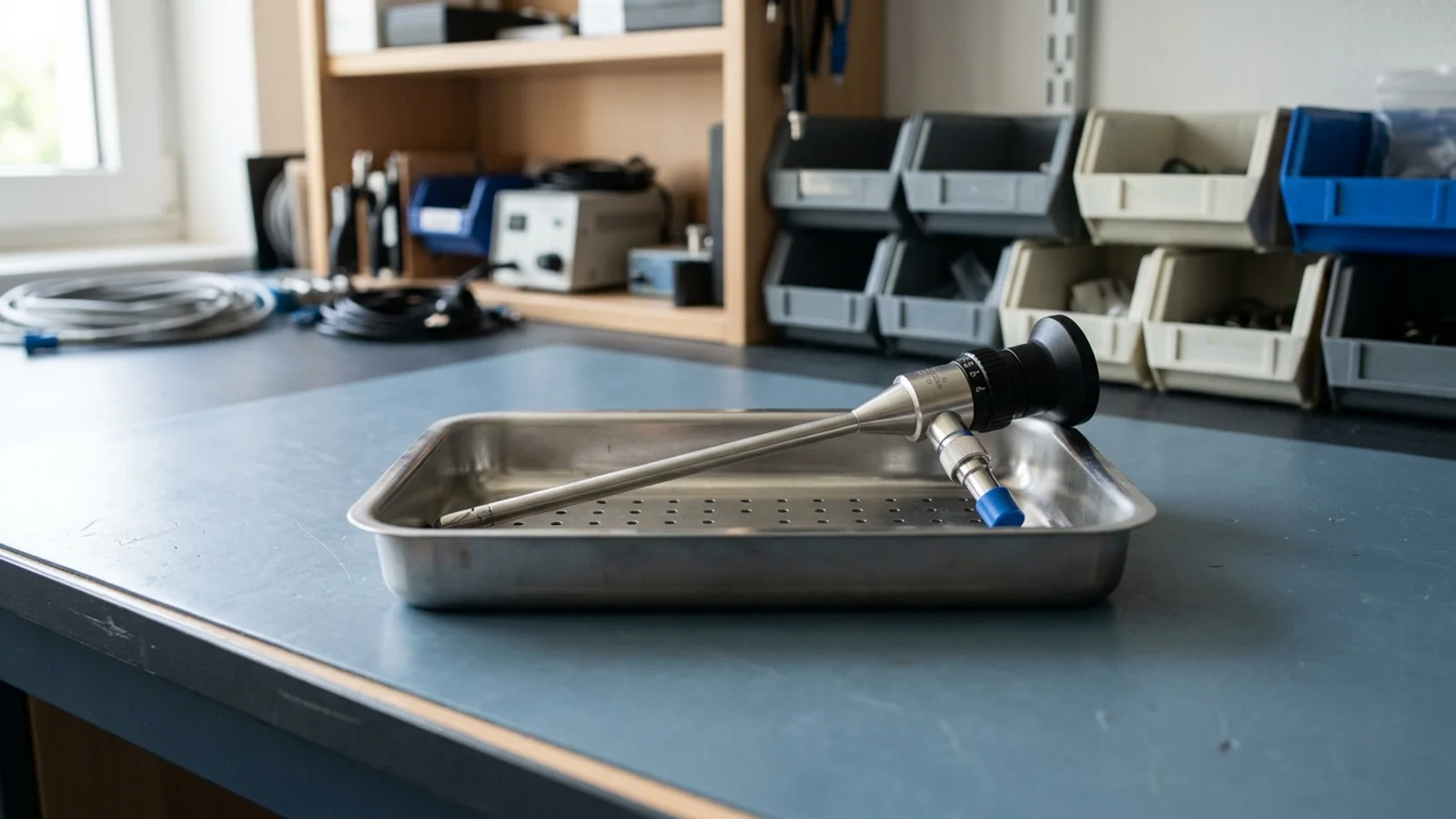
Match the autoclave door gasket to the model and serial parts list, then follow that model's orientation and lubricant rule. STERIS and Melag leak numbers, Bowie-Dick tests, and CDC's three-cycle qualification apply only when that sterilizer and that repair call for them.
By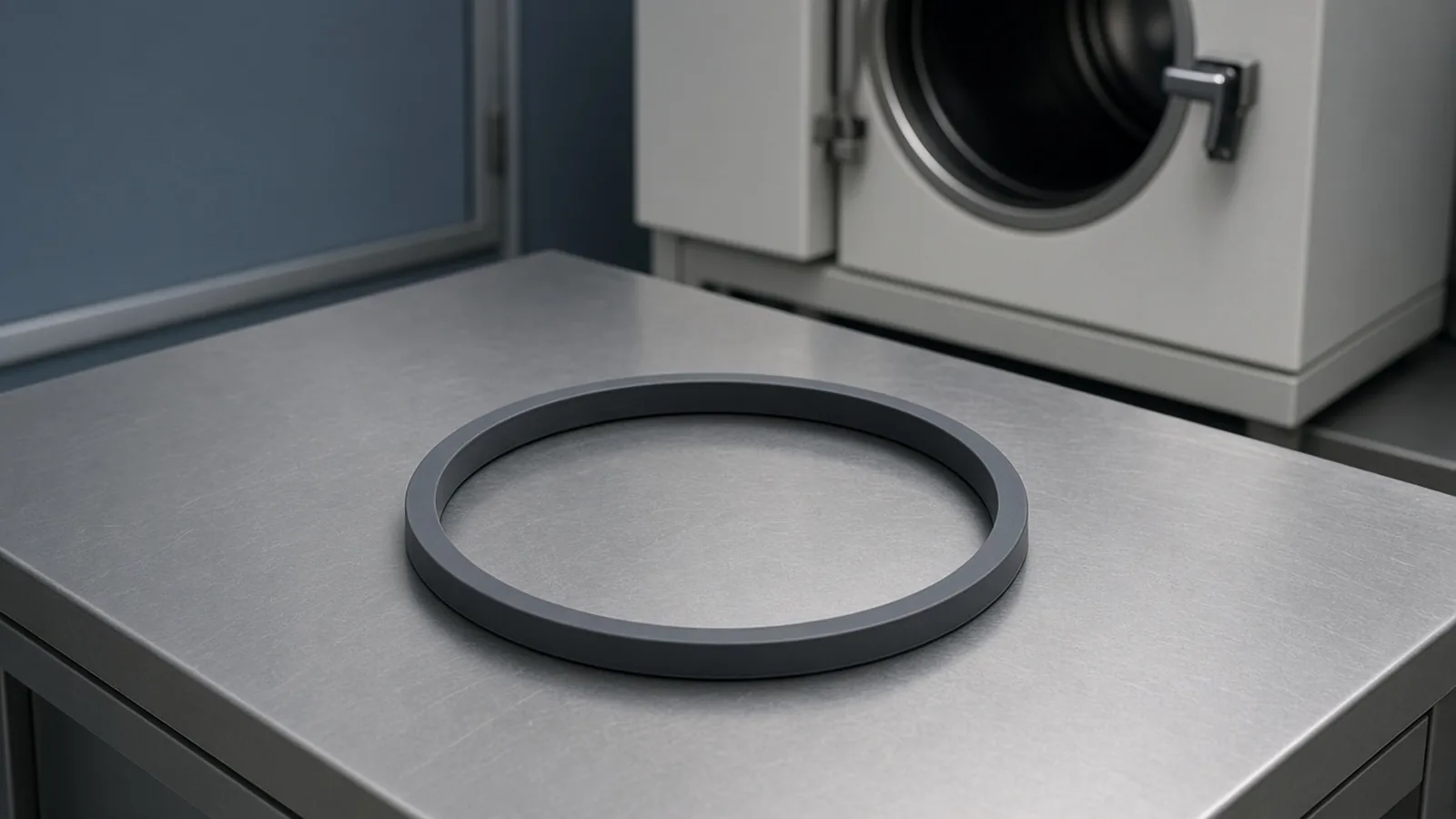
An evidence-based guide for clinical engineering and dental teams on specifying and approving third-party dental handpiece repair quotes, benchmarked against FDA 510(k) acceptance criteria.
By
How sterile processing and biomed teams inspect, function-test, and document surgical instruments returned from vendor sharpening before release to sterile supply.
By
When a flexible endoscope fails leak testing, capture device identity, tester calibration, bubble or gauge evidence, and point-of-use traceability before sending it for qualified repair.
By
Take a hospital bed out of service when IFU or recall checks fail for brakes, steering, rail latches, or uncommanded motion. Here are the model-specific checks and FDA Zone 1–4 limits.
By
How clinical engineering teams decide whether corrective work is a major repair or upgrade triggering CMS and Joint Commission return-to-service testing.
By
Classify medical device software and cybersecurity updates under FDA's May 2024 guidance. Compare the Section VII servicing list, remanufacturing triggers, 510(k) policy, and CMS return-to-service testing.
By
A clinical engineering workflow for hospital HTM executing device recalls: inventory matching, in-situ correction versus removal, CMS inspect-and-test, and effectiveness-check close-out.
By
How clinical engineering teams evaluate replacement parts under FDA's May 2024 remanufacturing guidance, QMSR 21 CFR 820, Figure 1, and CMS return-to-service rules.
By
Evidence-based quality-control verification gates after major CT scanner repairs, covering ACR physicist evaluations, technologist testing before clinical use, and CMS radiologic-inspection records.
By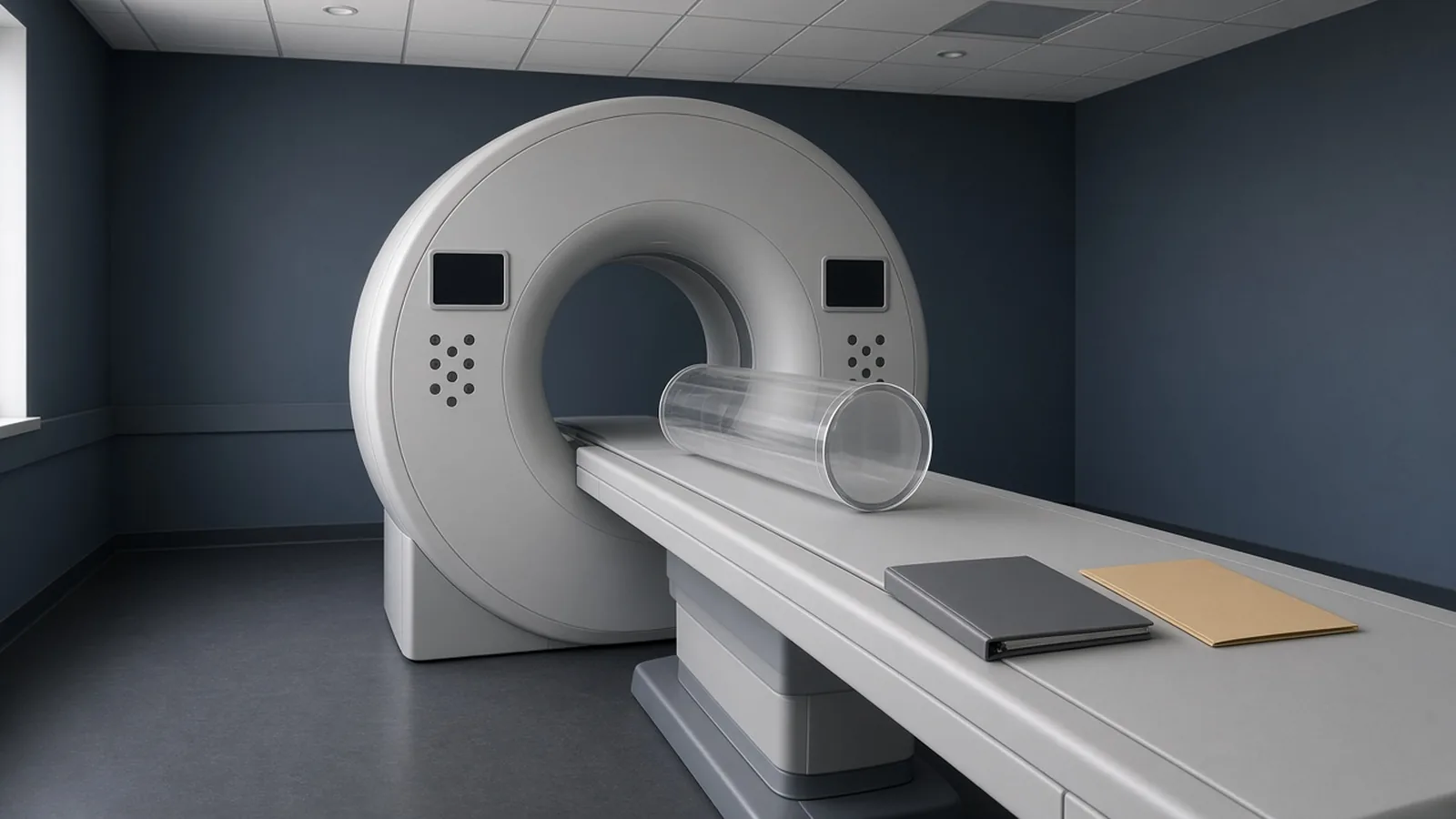
A clinical engineering guide to steam sterilizer physical, chemical, and biological verification, post-repair qualification, and Joint Commission maintenance evidence under CDC, CMS, and ST79.
By
A clinical engineering and perioperative leadership guide to separating ASA 2008 pre-use checkout from HTM scheduled and post-repair maintenance under CMS, Joint Commission, and ISO 80601-2-13 standards.
By
A clinical engineering verification framework for patient monitor alarms after major repair, aligning IEC 60601-1-8 priority, sound, and inhibit states with OEM criteria.
By
A clinical engineering evidence framework for evaluating a resold aesthetic laser, separating inspectable sale inventory from retained service records and unresolved manufacturer gaps.
By
A manufacturer-neutral clinical engineering guide to verifying external defibrillator delivered energy, sync, and labeled AED functions after major repairs under CMS and FDA standards.
By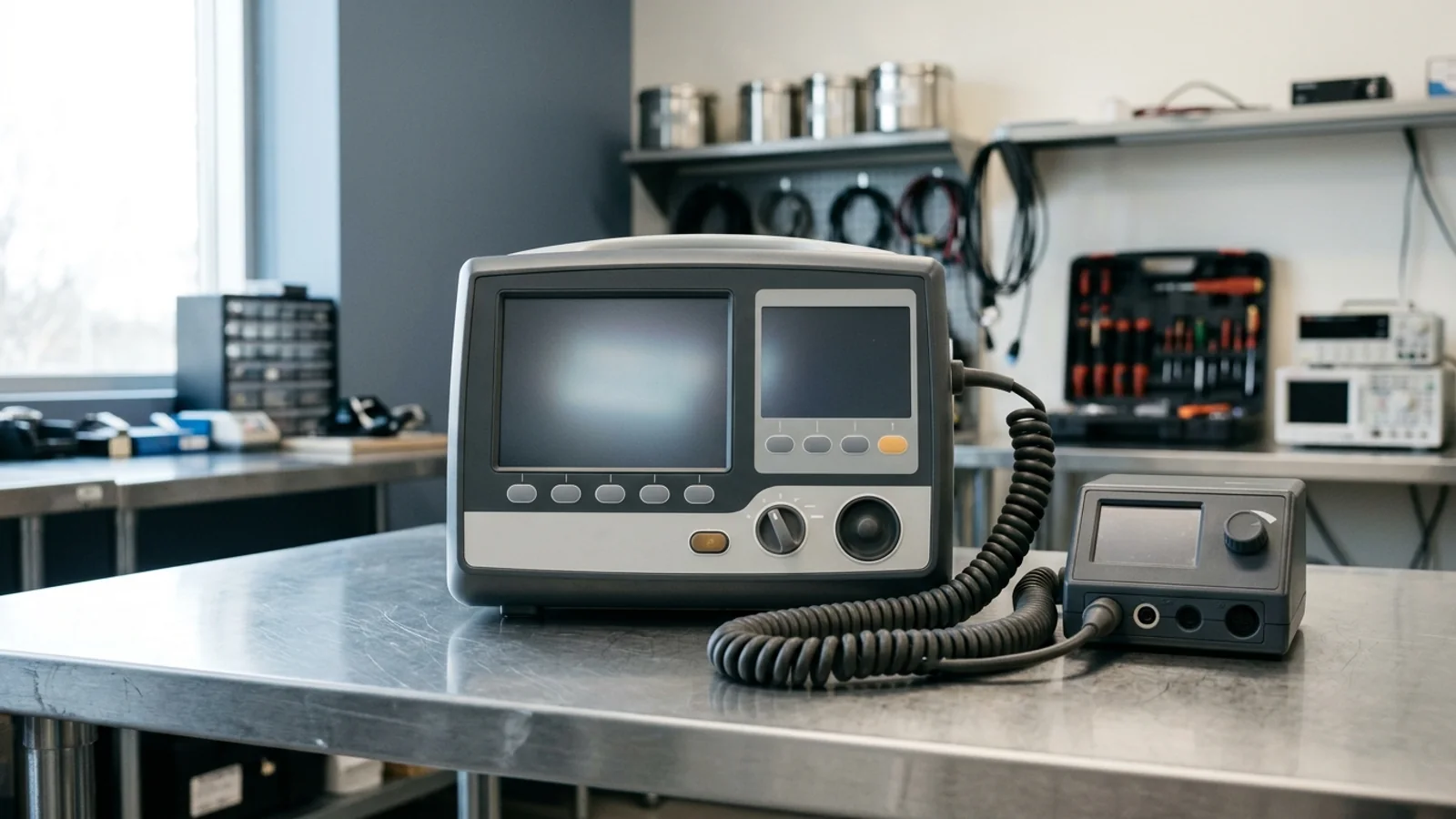
After an authorized medical device software restore, distinguish the restored software and configuration evidence from the chassis serial and document unresolved reviewer gaps.
By
An evidence-based clinical engineering guide to verifying critical-care ventilator essential performance after major repair under ISO 80601-2-12, CMS A-0724, and OEM acceptance criteria.
By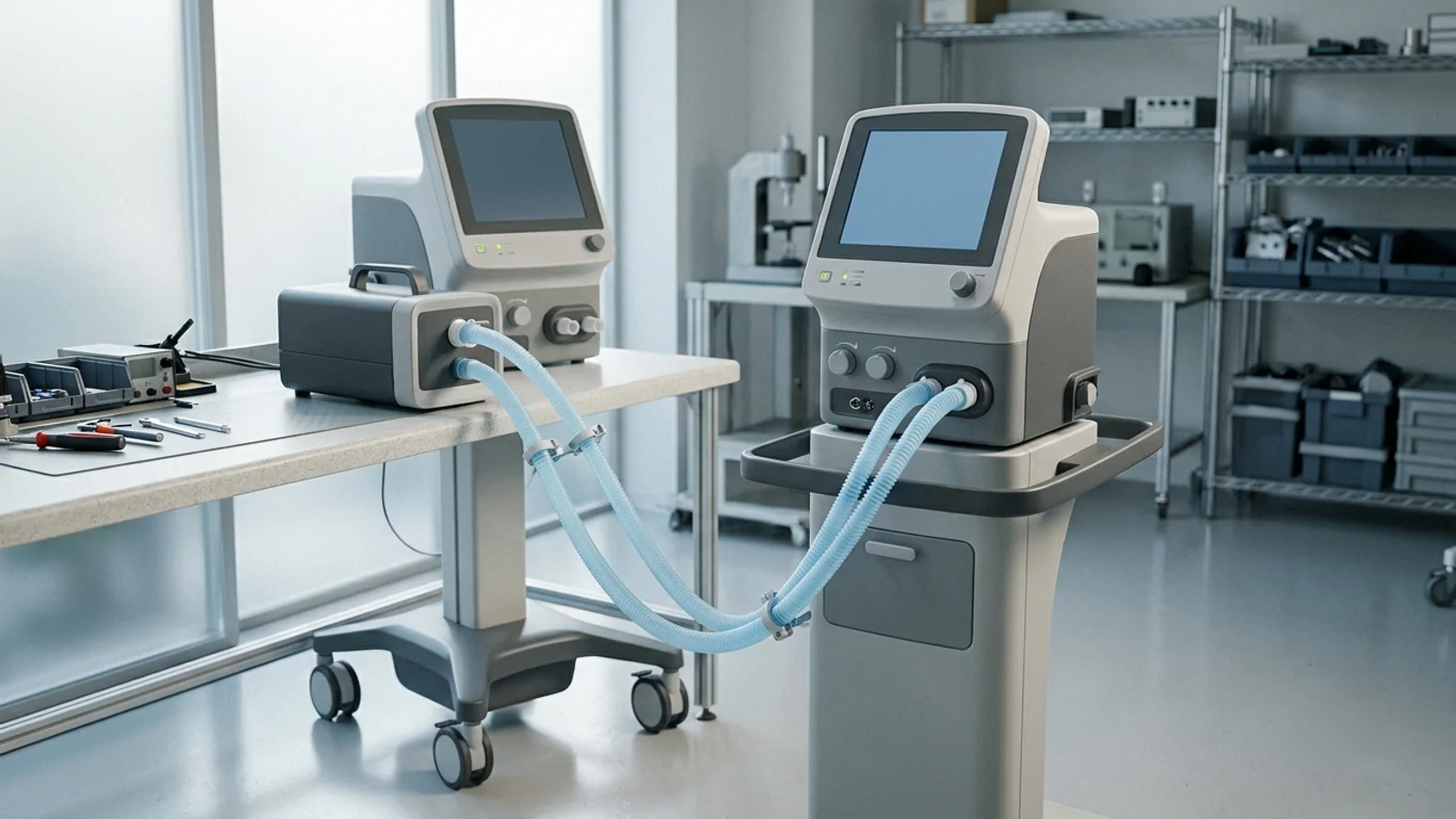
Preserve infusion pump and IV administration set identity across HTM, procurement, and quality after an incident following a set SKU change, before attributing cause or closing the service record.
By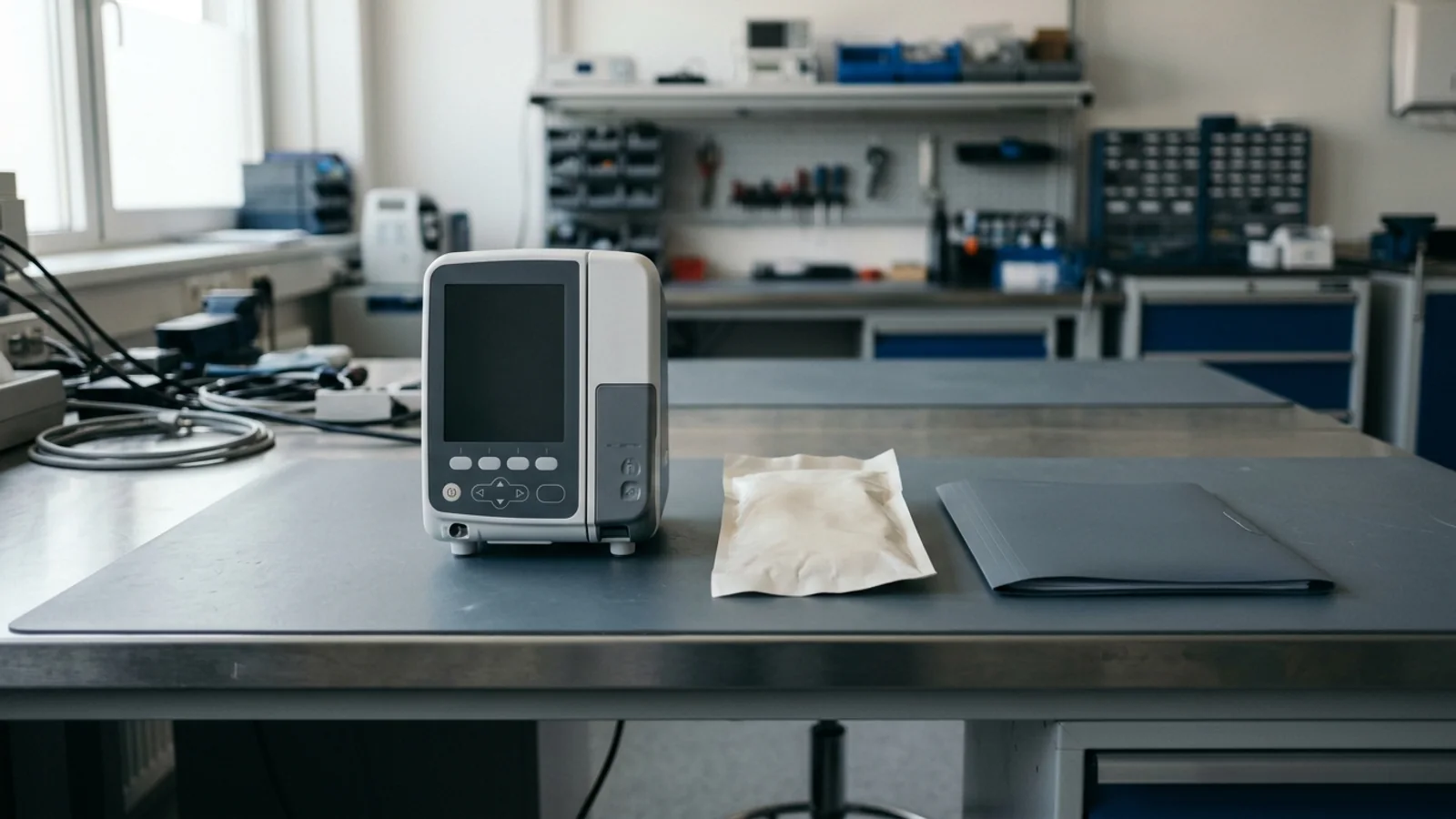
A clinical engineering and hospital contracting framework for defining medical equipment service contract scope, auditable SLA metrics, and CoP compliance evidence under 42 CFR 482.12(e), Tag A-0724, and Joint Commission EC.02.04.
By
A clinical engineering and CMMS data-quality framework for medical equipment inventory unique identification under CMS Tag A-0724 (QSO-25-24) and Joint Commission EC.02.04.01.
By
A clinical engineering and laboratory service framework for CLIA 42 CFR 493.1255 calibration verification after major repairs, contrasting analytic verification with hospital inspect-and-test duties.
By
A clinical engineering decision framework for evaluating Alternate Equipment Management (AEM) eligibility, risk assessment criteria, and inventory documentation under CMS 42 CFR 482.41(d)(2) and Joint Commission standards.
By
A technical guide for biomedical engineers on selecting in-service electrical safety testing standards after medical device repairs, navigating IEC 62353 vs IEC 60601-1 type tests, NFPA 99 (2012 edition) CoP requirements, and audit-ready test documentation.
By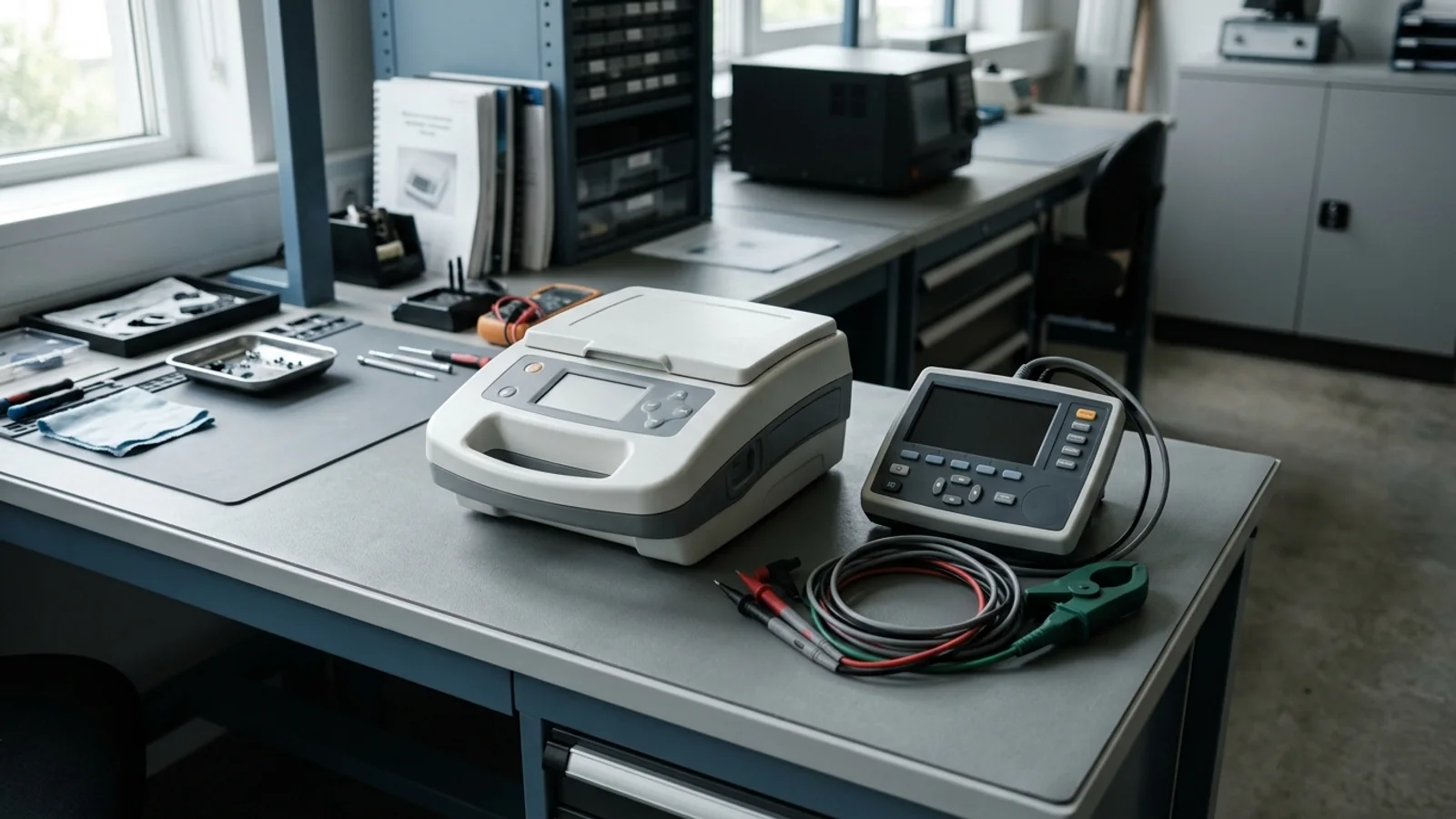
A comprehensive return-to-service testing and verification framework for repaired infusion pumps, incorporating FDA Total Product Life Cycle safety principles, IEC 60601-2-24 essential performance, and CMS post-repair compliance.
By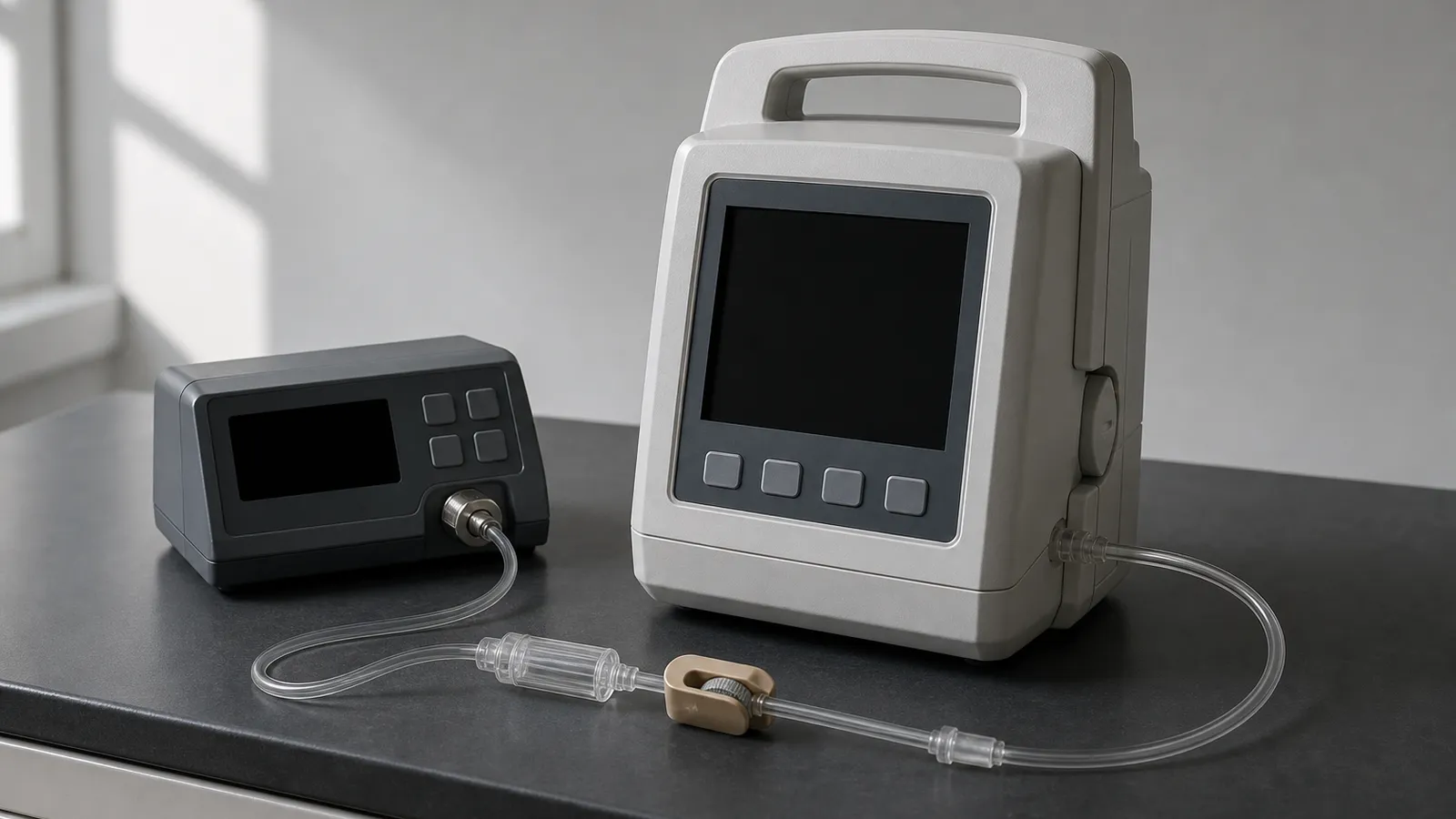
An audit-ready documentation standard for healthcare technology management (HTM) work orders, aligning CMS Tag A-0724, Joint Commission EC.02.04.01/EC.02.04.03, and ISO 13485 servicing record requirements.
By
An evidence-based clinical engineering framework for assessing ultrasound probe defects, interpreting AIUM quality control guidelines, navigating FDA 510(k) Appendix C replacement clearance rules, and documenting return-to-service validation.
By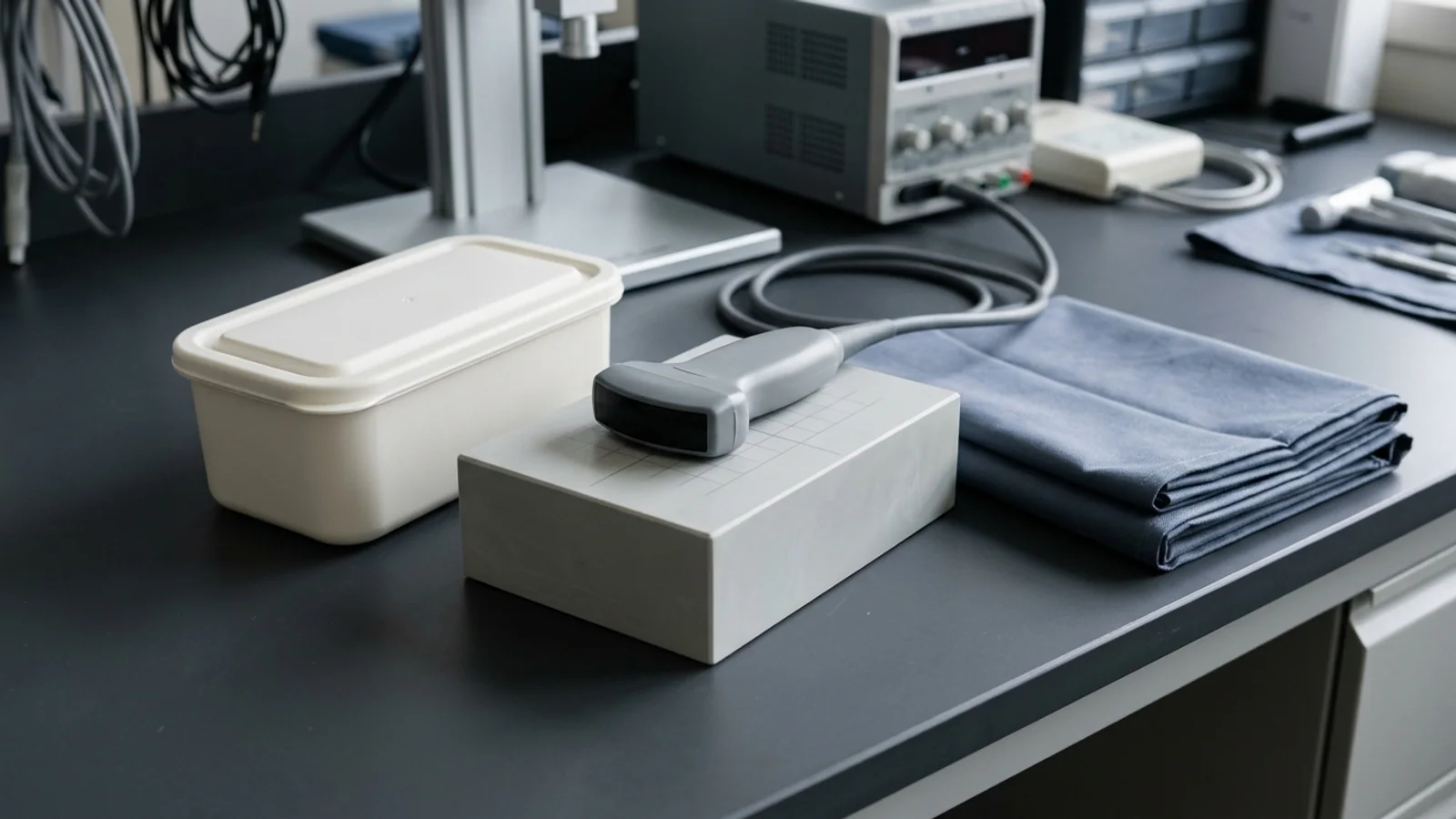
An operational guide to the FDA May 2024 final guidance on medical device remanufacturing, detailing the 6 guiding principles, the two-phase decision tree, and documentation frameworks for HTM and ISO teams.
By
A risk-tiered framework for clinical engineering leaders to audit and qualify independent service organizations (ISOs), fulfilling CMS Conditions of Participation, Joint Commission EC.02.04.01, and ISO 13485 supplier controls.
By
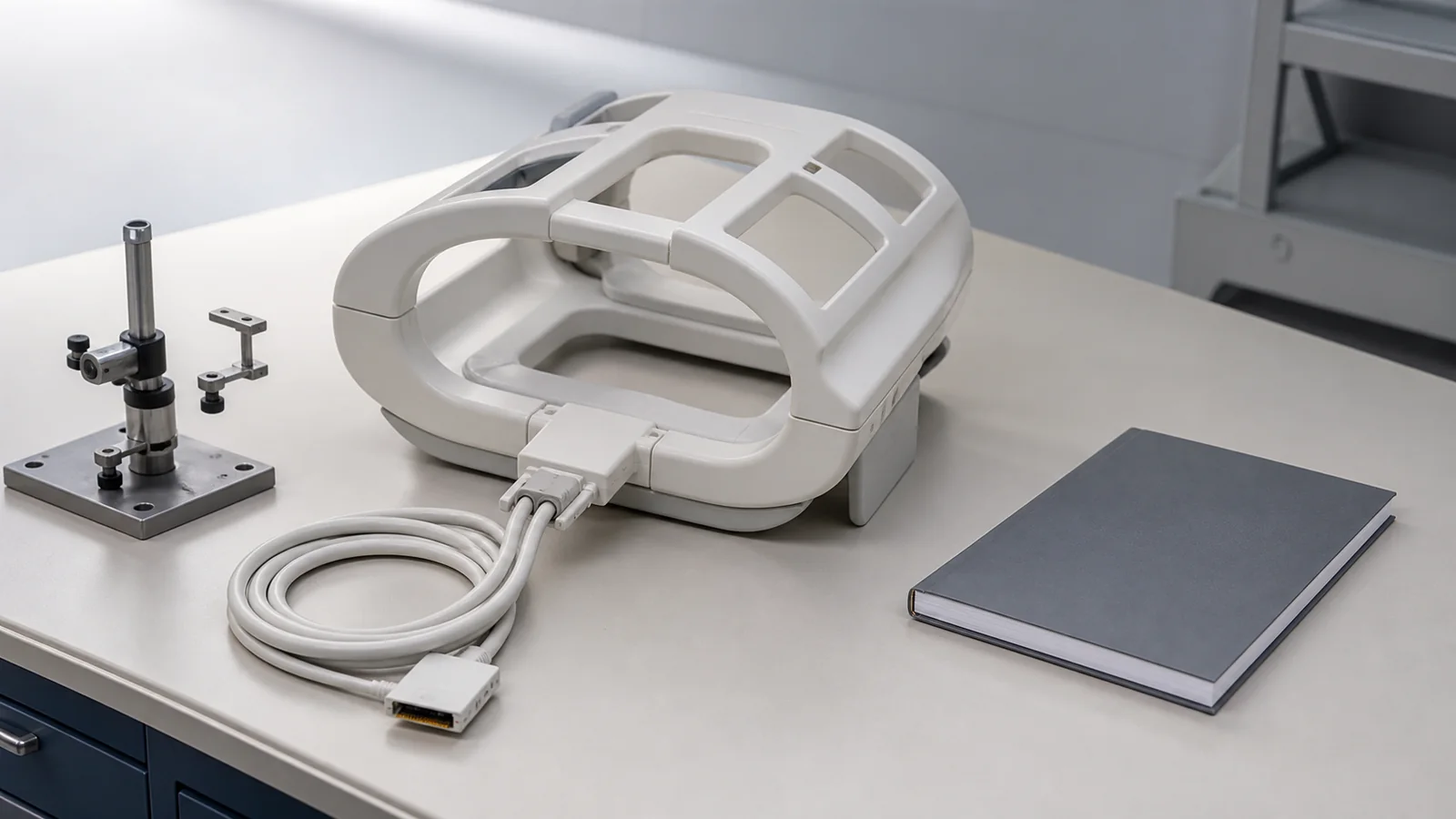
A clinical engineering decision framework for evaluating MRI surface and phased-array coil failures, navigating component repair versus replacement economics, and validating RF safety and SNR performance under NEMA and IEC standards.
By